
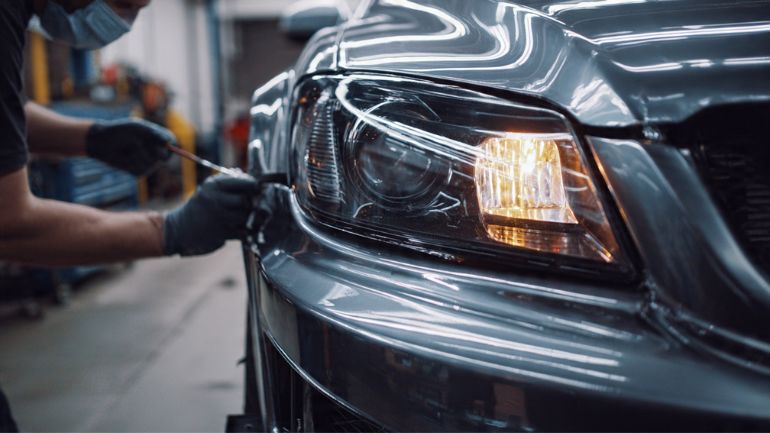
Car bumpers are designed to absorb minor impacts and protect critical vehicle components. Unfortunately, even low-speed collisions, parking mishaps, or road debris can cause scratches, cracks, dents, or complete bumper damage. Understanding car bumper repair options helps you save money, maintain vehicle value, and ensure safety.
Common Types of Bumper Damage
Car bumper damage can vary in severity. The most common types include:
- Scratches and scuffs – Often caused by minor impacts or parking incidents
- Cracks – Usually result from harder collisions or temperature stress
- Dents – Caused by pressure without breaking the bumper material
- Detached or misaligned bumpers – May involve damaged clips or brackets
Identifying the type of damage is the first step toward choosing the right repair solution.
Can a Car Bumper Be Repaired?
In most cases, yes. Modern bumpers are made from flexible plastic materials such as polypropylene, which can often be repaired rather than replaced. Repair is typically possible when:
- The damage is cosmetic or moderately structural
- The bumper reinforcement is intact
- There is no major impact to sensors or internal safety systems
Replacement is usually recommended only when the bumper is severely cracked, torn, or structurally compromised.
Car Bumper Repair Methods
Professional auto body shops use several repair techniques depending on the damage:
1. Scratch and Paint Repair
Minor scratches can be sanded, filled, and repainted to restore the bumper’s appearance. Paint matching ensures a seamless finish.
2. Plastic Welding
Cracks in plastic bumpers are often repaired using plastic welding, which fuses the damaged area and restores strength.
3. Dent Removal
Heat reshaping and specialized tools are used to remove dents without replacing the bumper.
4. Reattachment and Alignment
Loose or hanging bumpers can be realigned and reattached by replacing clips, brackets, or fasteners.
Bumper Repair vs. Replacement: Which Is Better?
| Factor | Repair | Replacement |
| Cost | Lower | Higher |
| Time | Faster | Longer |
| Environmental impact | Eco-friendly | Less sustainable |
| Vehicle value | Maintained | Maintained |
In most situations, bumper repair is more cost-effective and faster than full replacement, especially for minor to moderate damage.
How Much Does Car Bumper Repair Cost?
Bumper repair costs vary based on damage severity, vehicle type, and labor rates. On average:
- Minor scratches: Low cost
- Cracks or dents: Moderate cost
- Structural damage or sensors affected: Higher cost
A professional inspection is the best way to get an accurate estimate.
Why Professional Bumper Repair Matters
While DIY kits exist, professional bumper repair offers key advantages:
- Proper structural restoration
- Factory-quality paint matching
- Protection of parking sensors and safety features
- Warranty-backed workmanship
A professionally repaired bumper improves both appearance and resale value.
When to Repair Your Bumper Immediately
You should not delay bumper repair if:
- The bumper is loose or dragging
- Cracks expose internal components
- Sensors or cameras are malfunctioning
- The damage affects driving safety
Ignoring these issues can lead to more expensive repairs later.
Conclusion
Car bumper repair is a smart, efficient solution for restoring your vehicle after minor to moderate damage. By choosing professional repair instead of replacement when possible, you save money, reduce waste, and maintain your car’s original look and safety features.
If your bumper has scratches, cracks, or dents, getting it inspected early ensures the best outcome.
Be the first to comment on "Car Bumper Repair: Everything You Need to Know"