
It starts with a strange noise.
A low rattle. Maybe a wheeze. You tell yourself it’s nothing—just the house settling, right? Fast-forward to a January morning where your breath is visible inside and you’re wrapped in three layers of regret.
If you’ve ever waited until your heating system fails to call a technician, you’re not alone. But here’s the truth: most heating system breakdowns are preventable, and they all start with one question no one likes to ask—when was the last time you scheduled maintenance?
Let’s clear the air (and heat it up): how often should you schedule heating services, and why does timing make such a difference?
Once a Year—No Ifs, Ands, or Frozen Pipes
The general rule is simple: schedule professional heating maintenance at least once per year, ideally in early fall before your system kicks into high gear. This annual check-up isn’t just a box to tick—it’s essential to keep your furnace, boiler, or heat pump running safely and efficiently through the coldest months of the year.
If your heating system is older (10+ years), biannual checks might be even wiser.
Why Timing Matters More Than You Think
Think of your heating system like a car. Would you drive 30,000 miles without changing the oil? Of course not. Yet so many homeowners run their heaters season after season with zero inspections—until something breaks.
Here’s what yearly heating services actually do for you:
- Prevent breakdowns before they leave you shivering
- Extend equipment lifespan, delaying costly replacements
- Maintain energy efficiency, which saves you money on utility bills
- Improve indoor air quality by cleaning or replacing filters and removing buildup
- Catch carbon monoxide leaks or faulty ignition issues before they become dangerous
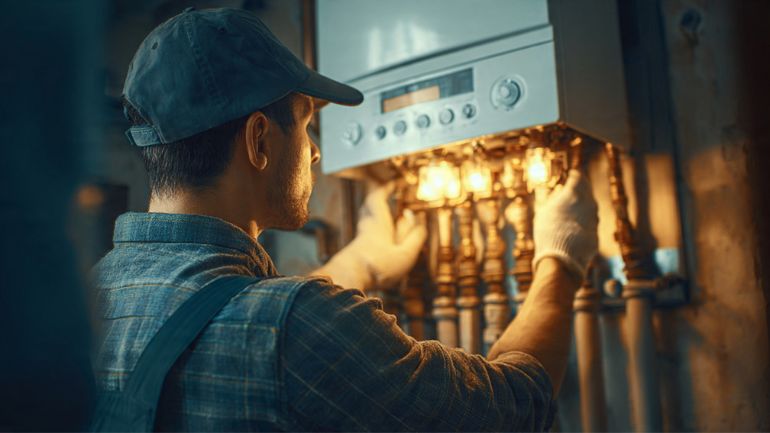
A technician’s visit isn’t just about flipping a few switches. They inspect the heat exchanger, test safety controls, clean burners, lubricate moving parts, check airflow, and make sure your system is firing on all cylinders. Literally.
But My System Seems Fine… Should I Still Bother?
Yes. Unequivocally, yes.
Most heating issues don’t announce themselves until they’re big, loud, and expensive. Regular maintenance catches small problems—like a dirty sensor or a cracked belt—before they snowball into major repairs or full system replacements.
Skipping service to “save money” almost always ends in a bill you didn’t plan for.
Heat Pump or Furnace? Here’s the Breakdown
- Gas Furnace: Once a year. Needs burner cleaning, gas line inspection, and ignition testing.
- Electric Furnace: Still once a year. It’s simpler, but airflow, thermostat calibration, and wiring need inspection.
- Heat Pump: Twice a year. Since it provides both heating and cooling, it should be checked in spring and fall.
If you’re unsure what you’ve got, don’t guess. Your technician will tell you—and make a custom maintenance plan that suits your system’s needs.
Warning Signs You’ve Waited Too Long
Even if your heater is still “working,” these red flags mean you’re overdue for service:
- Rising energy bills without increased usage
- Uneven heating between rooms
- Strange smells or banging noises
- Short cycling (system turns on/off frequently)
- Yellow burner flame instead of blue (for gas units)
If any of these sound familiar, it’s time to call for heating services—yesterday.
The Bottom Line: Set It and Forget It
The easiest way to stay on top of heating maintenance? Join a service plan with a trusted local provider. You’ll get reminders, priority scheduling, and often discounted repairs—all without adding another to-do to your already overloaded list.
Your heater doesn’t ask for much. Just one check-up a year could save you from surprise breakdowns, high bills, or even dangerous malfunctions. So the next time fall rolls around and you’re wondering if it’s “really necessary,” remember: warm is a whole lot better than sorry.
Be the first to comment on "Heating Maintenance Frequency: How Often Should You Schedule Service?"